Why Data Delivery Shapes the Client Experience After a Drone Flight
A drone flight is only half the job. The images and data collected in the air have to reach the client in a form they can actually use. That second half - how data is delivered after the flight - often determines whether the client feels satisfied or frustrated. For drone service providers who work with commercial clients, the delivery process can be as important as the flight itself.
Many operators focus on getting good footage and accurate sensor data. But when the client receives a folder full of raw files or a confusing set of links, the value of the work drops. A clear, organized data workflow turns collected information into a professional deliverable. This is where the concept of a drone data platform becomes relevant. It provides the structure for processing, hosting, and sharing aerial data in a way that makes sense to the end customer.
The Gap Between Capture and Client
After a drone lands, the data sits on a memory card or onboard storage. The next steps - transferring files, processing raw data, generating reports, and sharing results - can create delays and confusion if not handled systematically. Clients rarely want to sort through raw files or figure out how to view a point cloud. They want answers: a roof inspection report, a crop health map, or a 3D model they can measure.
Drone service providers who treat data delivery as an afterthought risk losing repeat business. A fast flight with slow, messy data sharing leaves a poor impression. On the other hand, a provider who delivers clean, organized, and accessible results within a reasonable time builds trust. The tools for independent drone providers that handle the data side of operations make this possible without requiring the operator to build their own software stack.
What a Data Workflow Looks Like in Practice
A typical data workflow for a commercial drone project involves several stages. After capture, files are transferred from the drone to a computer or cloud service. Depending on the project, the data may need processing: stitching orthomosaics, creating 3D models, or analyzing multispectral images. Once processed, the results must be organized into a format the client can view and share.
Some clients want a simple set of images. Others need a hosted project they can access from any device, with measurement tools and annotation features. A drone data platform can handle both scenarios by offering different service packages. For example, a basic package might include processed files delivered by a download link. A premium package could include a hosted project page with client reporting tools, version tracking, and the ability to share access with colleagues.
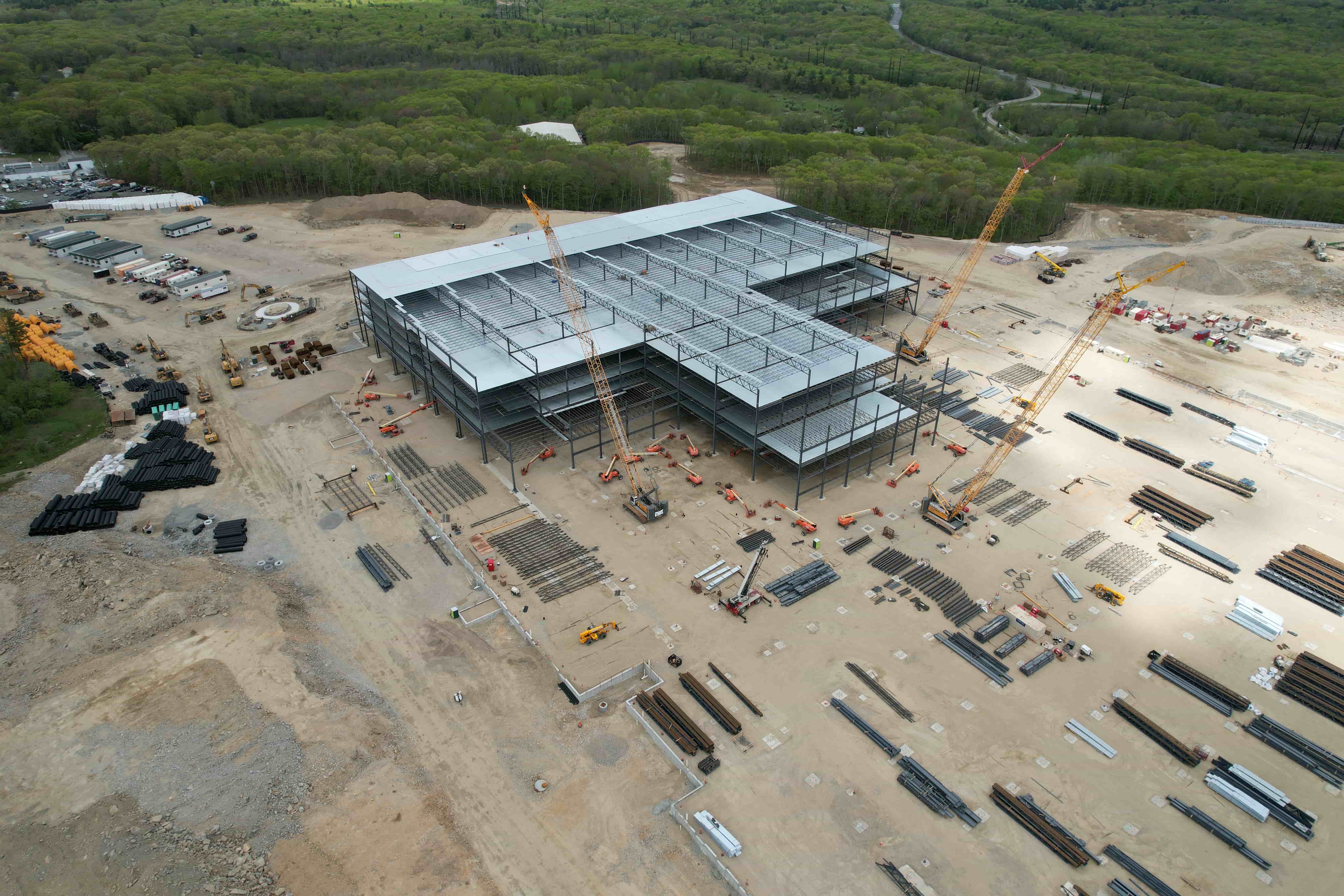
The key is matching the delivery method to the client's needs. A construction company monitoring site progress might want weekly orthomosaics they can overlay on previous maps. An agricultural consultant may need vegetation index maps with a written analysis. Understanding what the client will do with the data helps the drone service provider choose the right delivery format.
How Hosting and Visualization Change Expectations
Once clients experience a hosted project where they can zoom, pan, measure, and annotate without installing software, their expectations shift. A static image or a ZIP file feels incomplete by comparison. Hosted projects also make it easy to share results with stakeholders who were not involved in the original request. A property developer can send a link to an investor, or an insurance adjuster can review a roof inspection from their office.
The tools for independent drone providers that include hosting and visualization features give smaller operators the ability to compete with larger firms. Instead of investing in their own server infrastructure and web development, they can use a platform that provides these capabilities as part of the service. This levels the playing field and allows the operator to focus on flying and client relationships.
Client Reporting and Repeat Business
Client reporting is another area where data delivery directly affects the experience. A simple summary report delivered alongside the data helps the client understand what they are looking at. For an inspection project, the report might highlight areas of concern with annotated images and measurements. For a mapping project, it could include ground control point accuracy and coverage details.
Reports that are generated automatically from the processed data save time and ensure consistency. The drone service provider can brand the reports with their own logo, reinforcing their professional image. When a client receives a polished report with clear findings, they are more likely to trust the provider's expertise and book future work.
Account Setup and Access Control
How clients gain access to their data also matters. A smooth account setup process where the client receives a welcome email and can log in immediately sets a positive tone. Complicated registration forms or delayed access create friction. Once inside, the client should see only their own projects, not a dashboard full of other clients' data.
Access control becomes more important as the number of projects grows. A property manager handling multiple buildings needs a way to view each site separately. A drone service provider who can offer organized project hosting with individual access rights demonstrates professionalism and attention to detail.
Delivery Speed Versus Quality
Speed of delivery is a common concern, but it should not come at the expense of quality. Sending raw, unprocessed files within an hour may seem fast, but if the client cannot use them easily, the speed does not help. A better approach is to process the data properly and deliver a finished product within a promised timeframe. Many drone service providers set expectations at the contract stage, letting the client know when they can expect the final deliverable.
A reliable data workflow allows the provider to estimate processing times accurately. If a project involves stitching hundreds of images into a single orthomosaic, the provider knows how long that takes and can communicate that timeline. Clients appreciate honesty about what is possible and when they will receive their results.
Practical Considerations for Drone Service Providers
Choosing a data platform involves several practical decisions. File size limits, supported data types, and the ability to handle large projects are all important. Some platforms specialize in photogrammetry and 3D models, while others focus on inspection data or agricultural analysis. The right platform depends on the type of work the provider does most often.

Integration with existing tools also matters. If a provider uses specific flight planning or processing software, the platform should accept data from those sources. The ability to upload directly from a tablet or phone can speed up the workflow in the field. Automation features, such as auto-processing when new files are uploaded, save time and reduce manual steps.
Data security is another factor. Clients often ask where their data is stored and who can access it. A platform that offers encryption, access logs, and the option to delete projects after completion gives both the provider and the client peace of mind.
What This Means for the Client Experience
At the end of the day, the client experience is shaped by how easy it is to get the information they paid for and how useful that information is. A drone data platform that streamlines processing, hosting, and reporting helps the provider deliver a consistent, professional result every time. Clients who receive clear, actionable data are more likely to recommend the provider and come back for future projects.
For drone service providers, investing time in setting up a reliable data workflow is not just about efficiency. It is about building a reputation for quality and reliability. The way data is handled after the flight says a lot about the provider's professionalism. Those who get it right stand out in a competitive market.